
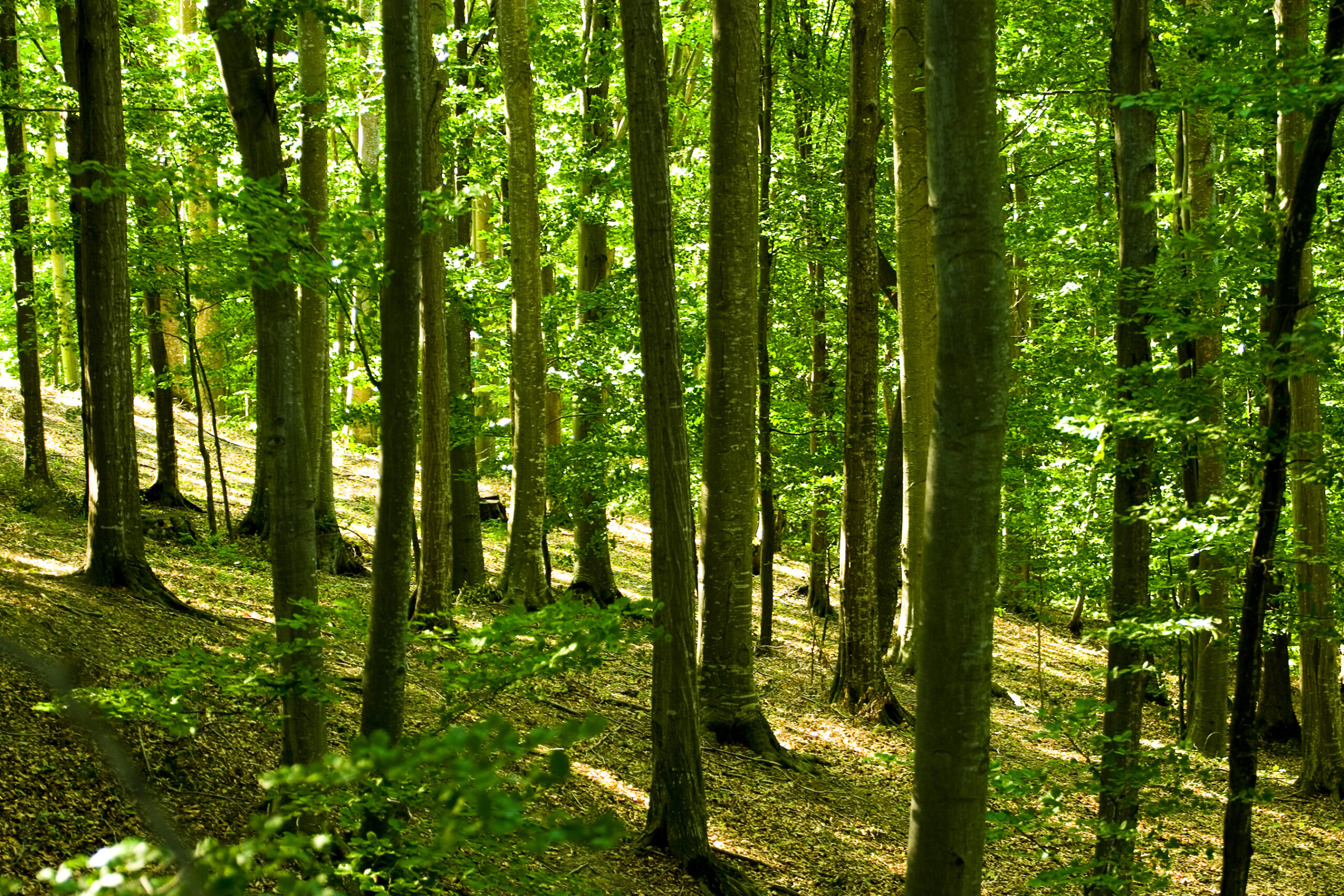
If you happen to own wooded land in Tennessee, you should know that it is a valuable financial asset. Spanning 14 million acres of forestland, timber is not only a driving force in Tennessee’s local economy but also a vital part of family legacies. Timber is widely regarded as one of the valuable resources for landowners, yet it can be tricky to assess what makes it so valuable. Knowing what makes timber valuable becomes especially important when it comes to selling timber in Tennessee, as it can help you make smart decisions while cashing in on your property in the most profitable way.
The Importance of Knowing Your Timber’s Worth
Timber is a type of wood that is particularly used in building, but it is more than just wood. It’s a renewable resource that not only adds to your property value but also plays an integral role in Tennessee’s bustling forest economy. Whether you inherited family land or purchased acreage as an investment, timber harvesting can be a key way to generate revenue. But here’s the thing: not all timber is the same. Quite many landowners mistakenly assume that all trees bring the same return, only to discover that quality, species, and market timing all make a huge difference. That’s why knowing the factors affecting timber value can be critical to striking the right bargain.
Tree Species vs. Quality
Hardwood vs. Softwood
First, consider the tree species. Regarding Tennessee, hardwoods like oak, hickory, maple, walnut, cypress, ash, poplar, cherry and sweet gum generally surpass softwoods, such as pine or cedar, in long-term value. Hardwoods are primarily prized for use in furniture, flooring, railroad ties and specialty wood products, while softwoods are designated for pulpwood, paper, along construction.
Tennessee’s Most Valuable Timber Species
In the hardwood category, the most valuable hardwood trees in Tennessee include:
- White Oak: This tree is noteworthy for its strength and durability, making it a highly sought-after option for flooring and barrels.
- Black Walnut: Well-regarded as a premium species, this species with a dark, rich color is treasured for use in fine furniture and veneer.
- Cherry and Maple: These trees hold special appeal for use in cabinetry and specialty wood products.
- Yellow Pine: Although it’s a softwood, pine enjoys high demand in construction markets.
The species combination of trees dispersed across your land greatly influences how much your timber is worth.
Factors Affecting Timber Value in Tennessee
Diameter, Straightness, and Maturity
Tree size and straightness are one of the foremost factors that buyers look for. Larger diameters are linked to higher prices, as they yield a higher quantity of usable lumber. In contrast, straight, tall trees with only scant branches are a high-value commodity in veneer and sawtimber markets.
Whether the tree is mature or not matters; younger trees are in a perpetual state of growth and increasing in value, while over-mature or declining trees need to be harvested at the right time to sustain their value.
Impact of Disease or Storm Damage
The state of health of your tree can enhance or diminish timber value. Various factors can reduce the amount of usable wood, such as trees infected with insects and fungal diseases or those damaged by storms. A stand bearing signs of wind damage, declining oak or pine beetles, calls for immediate harvesting to prevent further damage.
How Location and Market Demand Influence Timber Prices
Current Market Trends
Timber prices are prone to fluctuating market demand, like any other commodity. The local prices are subject to the pace and requirements of housing construction, furniture manufacturing, and export markets. For instance, a surge in housing may catapult demand for pine, while oak and walnut prices can go up with rising international demand.
Regional demand also plays a key role in Tennessee’s timber market alongside other broader factors. Specific species can earn you a premium from certain mills depending on their production needs. One such example is veneer mills that seek out high-quality walnut or cherry, while paper mills chase down pulpwood from pine. Staying up to date on the local landscape is equally important to understanding what makes timber valuable at any given time.
Proximity to Mills and Transport Costs
Where your property is located is also one of the factors influencing timber value. Due to its heavy weight, transporting timber can be quite expensive, so the closer your property is to a mill or processing facility, the higher your potential returns. Remote tracts of land may not be as lucrative due to additional hauling costs. On the other hand, you can set yourself up for stronger offers if your property lies close to multiple mills or buyers are competing to secure logs. Given their proximity to multiple hardwood and pulp mills, landowners in central and western Tennessee stand a better chance of benefitting from competitive pricing.
Timber Stand Management
Sustainable Forestry: Thinning, Pruning, and More
Timber’s value also depends to a great extent on the way your land has been managed over time. Well-managed stands that have undergone thinning, pruning, and controlled harvesting at regular intervals typically produce higher-quality logs. In contrast, timber derived from poorly managed or overcrowded stands may be of far less value.
The Value of Timber Certification (e.g., FSC)
The Forest Stewardship Council (FSC) is the key body advocating sustainable forestry practices, and lands that comply sometimes command higher prices. A certified land gives buyers sound reason to believe that timber was harvested responsibly, which is a growing concern in today’s markets.
What’s the Right time for Selling Timber
What Affects Timber Prices: Seasonal and Economic Factors
The key to a successful timber sale is getting the timing right when selling timber in Tennessee. Humid seasons make it difficult to access your land, thereby reducing buyer interest. Conversely, dry conditions facilitate harvesting, bringing better prices. Economic conditions also matter. For example, during periods of housing booms, demand for lumber sees an upturn, whereas timber prices may dip when the economic conditions are not favorable. A proven way to maximize returns is to sell when the timing is ripe.
Why You Need a Professional Timber Evaluation
Why Landowners Should Get Expert Input Before Selling
You can’t simply rely on your eyes to determine how much your timber is worth. A professional evaluation from a trusted company like Tennessee Land and Timber Buyers can come in handy to get an accurate estimate of what your timber is worth based on its species, size, health, existing market demand, and location.
If you sell without an evaluation, you risk underselling your timber or mismanaging a harvest that could otherwise bring long-term income. With the help of a professional, you can ensure your timber sale is sustainable, preserving your land’s value for future generations.
Conclusion
Your timber could be one of the most valuable assets on your property, but it’s of no use unless you are aware of what makes timber valuable. In selling a hot commodity like Timber in a state with a sprawling forest industry like Tennessee, you can’t afford to miss out on any detail, be it species and size or market demand and land management.
If you’re wondering “how much is my timber worth?” or are excited about selling timber in Tennessee, leaving it to guesswork can be a costly mistake. Instead, the best way to protect your investment is to work with experts at Tennessee Land & Timber Buyers for a professional timber evaluation. They will guide you towards the best available options, maximize your returns, and ensure your land continues to provide value for years to come. Curious to know about your timber’s true value? Contact Tennessee Land & Timber Buyers to schedule a free, no-obligation consultation.